01 / Pantheon
28 deities, immortals, and founders.
Most entries are venerated or mythic figures rather than living teachers. Historical founders sit alongside cosmological deities because temple life treats both as objects of the same attention.
02 / Supreme · 2
The Dao itself, given form at the summit of the cosmos.
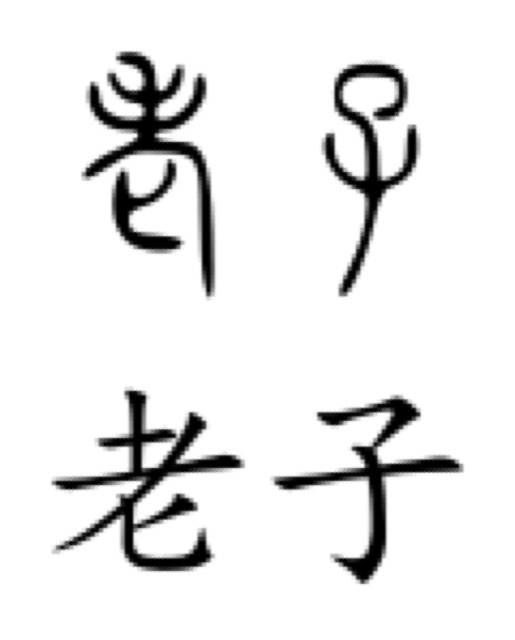
Laozi (Lord Lao)
Traditionally the author of the Daodejing and the founding sage of philosophical Taoism; venerated in religious Taoism as Taishang Laojun, the highest of the Three Pure Ones and a cosmic manifestation of the Dao itself.
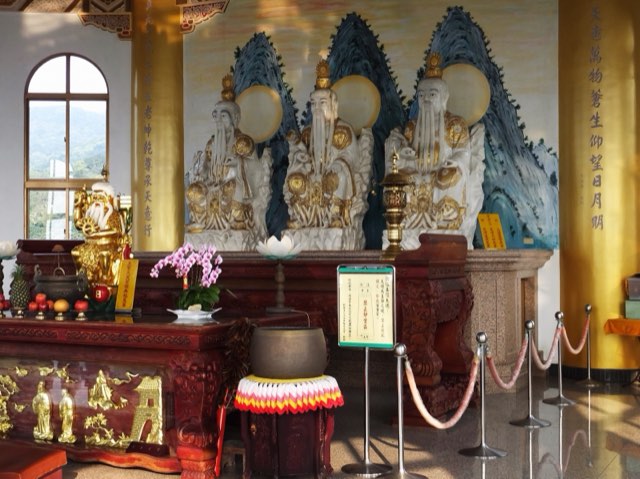
The Three Pure Ones
The three highest deities of the Taoist pantheon — Yuanshi Tianzun, Lingbao Tianzun, and Daode Tianzun (the deified Laozi) — representing three aspects of the Dao's primordial manifestation, enshrined together at the summit of nearly every major Taoist temple hall.
03 / High deities · 13
The powers who govern the celestial bureaucracy.
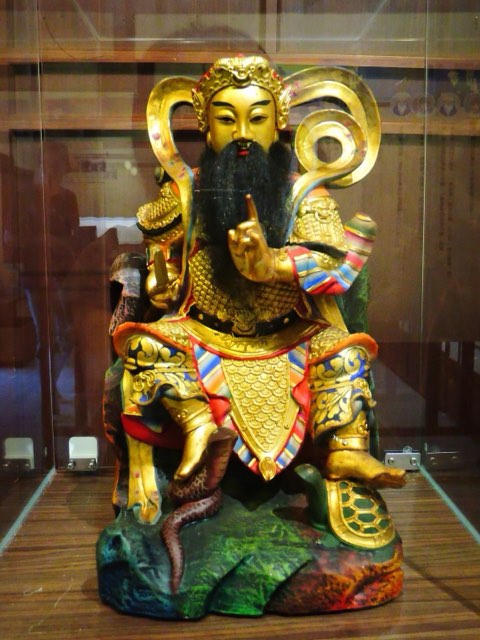
Zhenwu (Xuanwu)
A renunciate-prince deity of the north, associated with the turtle and snake, whose cult centers on Mount Wudang and who was adopted as the Ming imperial house's protector deity.
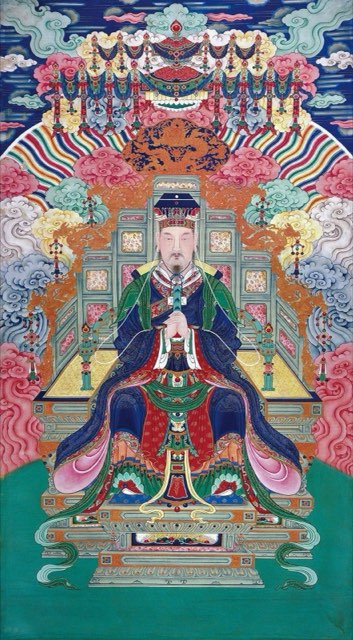
The Jade Emperor
The supreme administrator of Heaven in Chinese popular religious cosmology — a celestial bureaucrat-emperor who presides over a court of officials mirroring the imperial state, and the most widely recognised Taoist-associated deity among ordinary worshippers.
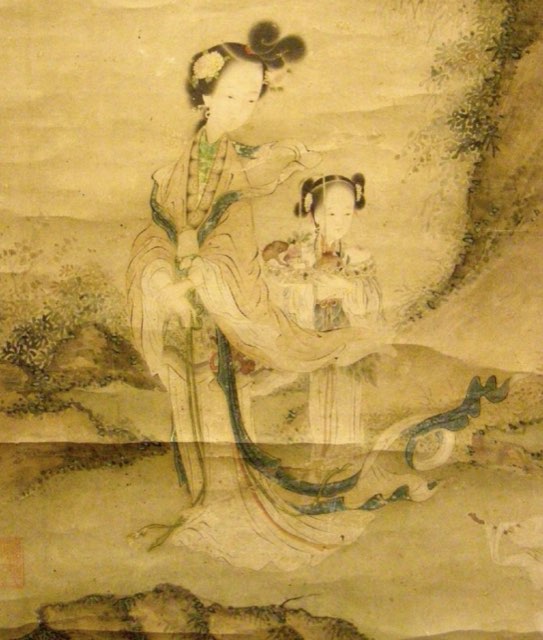
Xiwangmu (Queen Mother of the West)
One of the oldest and most powerful goddesses in the Chinese pantheon, ruler of the Kunlun paradise in the far west, keeper of the peaches of immortality, and — long before Taoism organised as a religion — a figure of independent cosmic authority later absorbed fully into the Taoist celestial hierarchy.
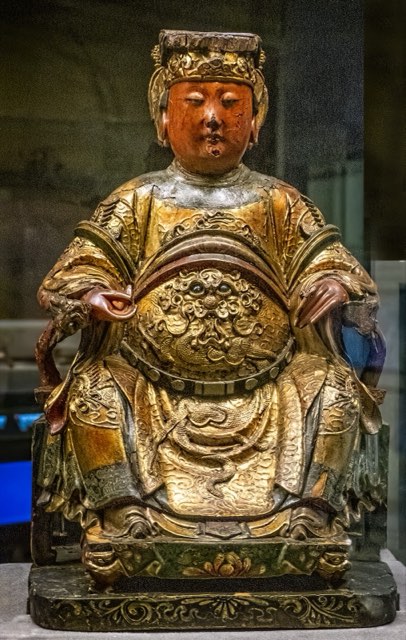
Mazu
A deified 10th-century woman from Fujian, venerated across coastal China, Taiwan, and the Chinese diaspora as protector of fishermen and sailors — one of the most widely worshipped deities in the Chinese-speaking world, whose exact religious classification (Taoist, Buddhist-influenced, or independent folk cult) is genuinely contested rather than settled.
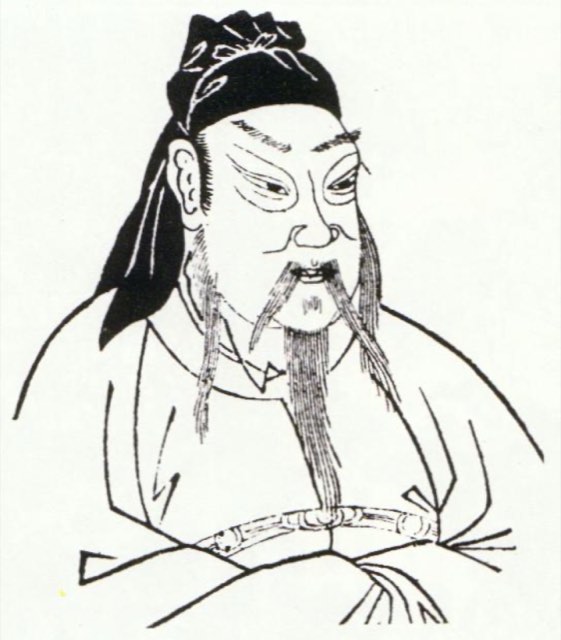
Guan Yu (Guandi)
A historical general of the late Han and Three Kingdoms period, renowned for loyalty and martial prowess, who was deified over subsequent centuries into one of the most widely worshipped figures in Chinese religion — enshrined in Taoist temples, Buddhist monasteries (as the guardian Sangharama), popular shrines, and, in many overseas Chinese communities, business premises, as a god of wealth.
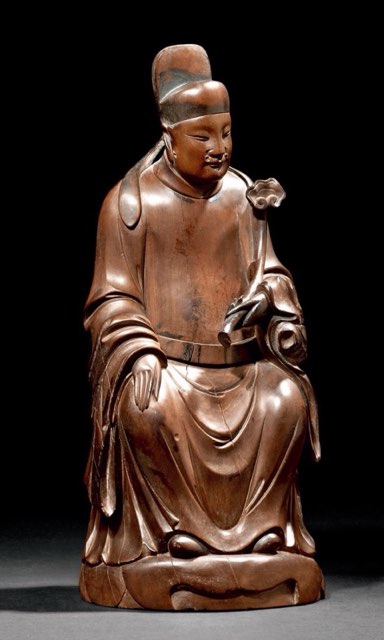
Wenchang Wang
The Taoist god of literature, examinations, and scholarly success, whose cult grew directly out of the imperial civil service examination system and who remains, in the present day, a deity petitioned by students before exams.
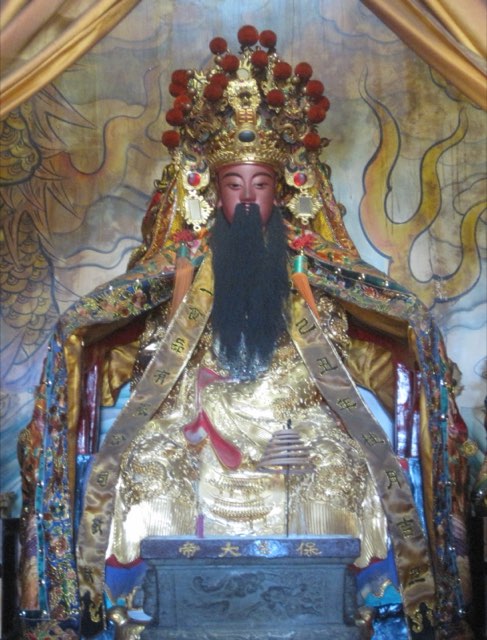
Baosheng Dadi
A deified Song-dynasty physician from Fujian, Wu Tao, venerated as a healing god especially in Fujian and Taiwan, where his temples remain sites of medical petition alongside conventional healthcare.
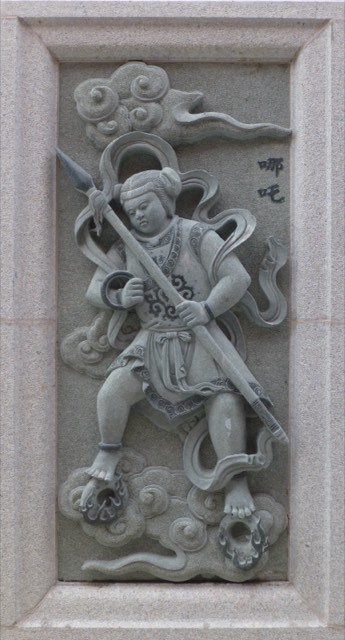
Nezha
A child-deity of explosive, sometimes destructively righteous energy, born miraculously from a ball of flesh, who defies and is disowned by his own father before being reconstituted from lotus roots and rising as an independent divine protector — among the most widely loved figures in Chinese popular religion.
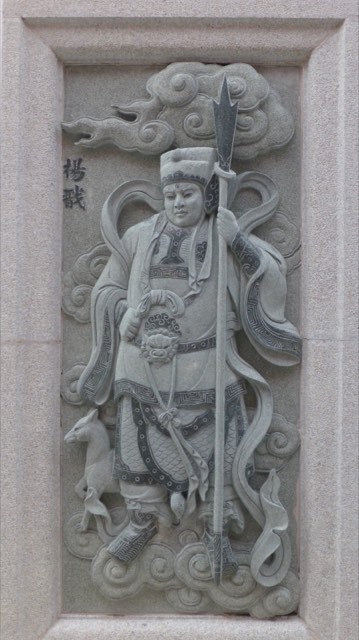
Erlang Shen
A martial deity with a vertical third eye granting supernatural sight, associated with flood control engineering and monster-suppression, traditionally linked to the historical Sichuan official Li Bing, builder of the Dujiangyan irrigation system.
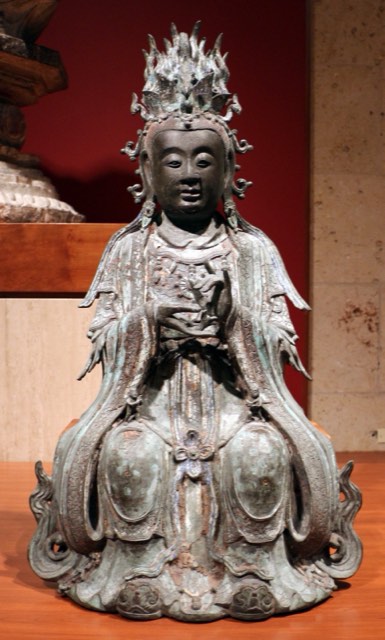
Bixia Yuanjun
The most widely worshipped goddess associated with Mount Tai, understood as the mountain deity's daughter and petitioned overwhelmingly by women for safe childbirth, fertility, and the wellbeing of children — her temple at Tai'an receives some of the heaviest pilgrimage traffic of any Taoist site in China.
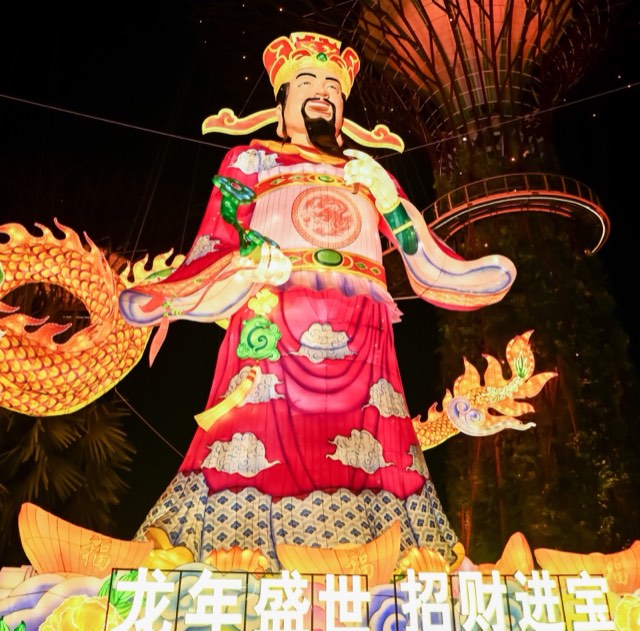
Caishen
The composite deity of material fortune, worshipped nearly universally in Chinese households and businesses at the lunar new year — a title carried by several distinct historical and legendary figures rather than naming a single fixed identity.
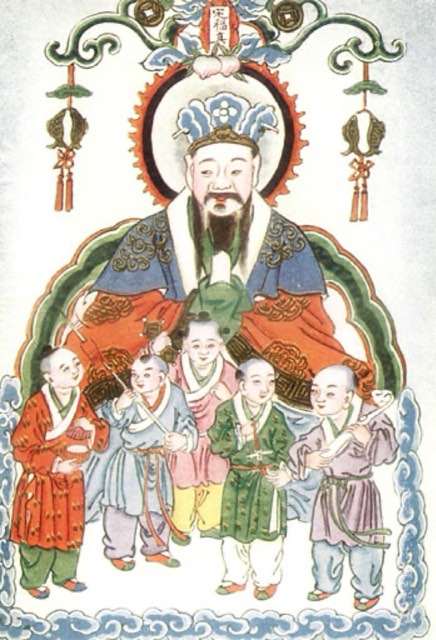
Zao Jun
The household deity said to reside above every family's stove, observing daily conduct and ascending to report to the Jade Emperor each lunar new year — a domestic surveillance-and-accountability figure honored with offerings of sticky sweets meant to seal his mouth toward unfavorable reports.
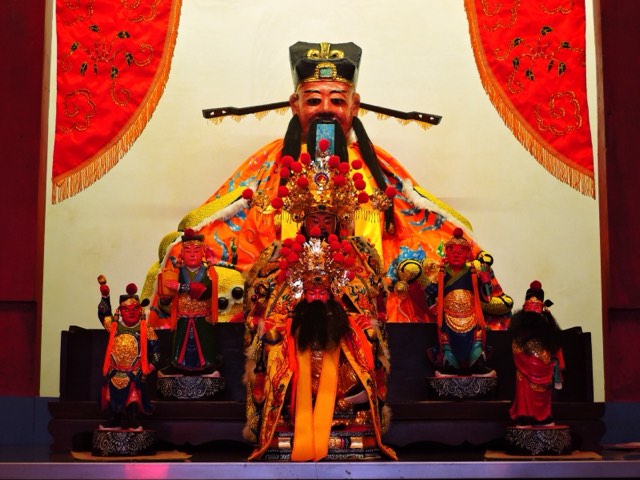
Chenghuang
The tutelary spirit-magistrate of a specific city or administrative district, mirroring the earthly bureaucracy's structure in the spirit world — every traditional Chinese city maintained its own City God temple, and the office was often filled by the deified spirit of a locally admired historical official.
04 / Immortals · 9
The xian — those held to have completed the work.
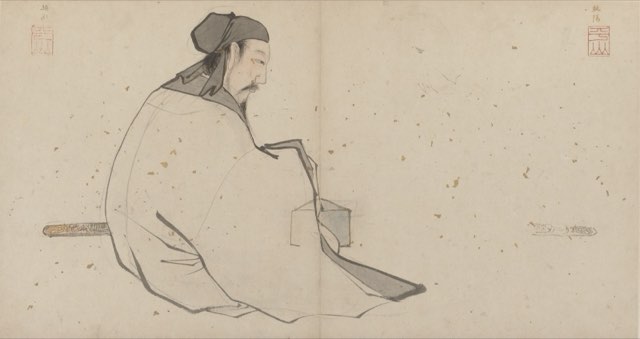
Lü Dongbin
The most widely venerated of the Eight Immortals — a Tang-dynasty scholar who, after a dream revealing the emptiness of worldly ambition, abandoned officialdom for the Dao, and who tradition credits with personally converting Wang Chongyang, founder of the Quanzhen school.
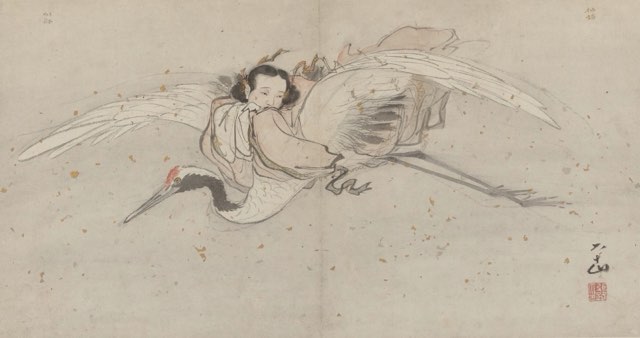
He Xiangu
A Tang-dynasty girl from Guangdong who, after eating a peach or mother-of-pearl given to her in a dream by a spirit, ceased needing ordinary food, gained the power of untiring travel, and eventually ascended to immortality — the only woman among the Eight Immortals.
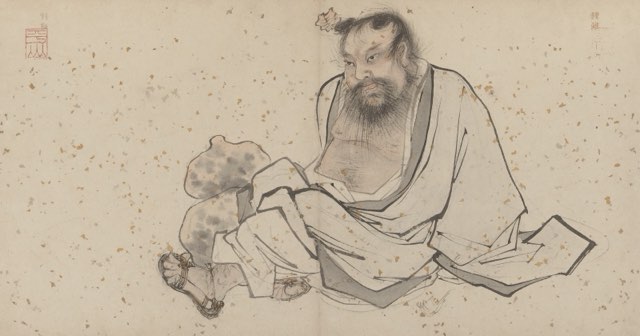
Han Zhongli (Zhongli Quan)
Traditionally identified as a Han-dynasty general who, after a catastrophic military defeat, withdrew from worldly life to master internal alchemy, later transmitting it to Lü Dongbin — making him, in most tellings, the senior figure and de facto founding teacher of the Eight Immortals as a group.
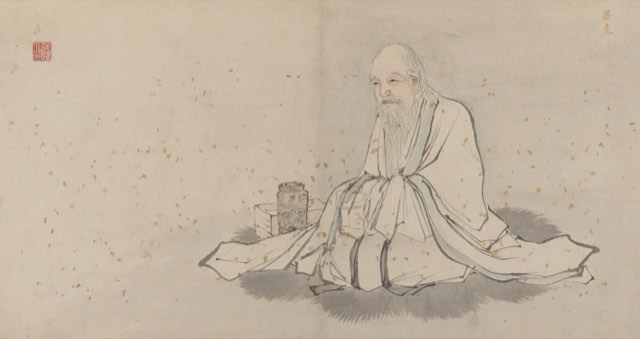
Zhang Guolao
A Tang-dynasty figure — possibly based on a real hermit of that name who was summoned to and resisted the imperial court — remembered among the Eight Immortals for his extreme age, his habit of riding a white donkey facing backward, and his ability to fold the donkey up like paper when not travelling.
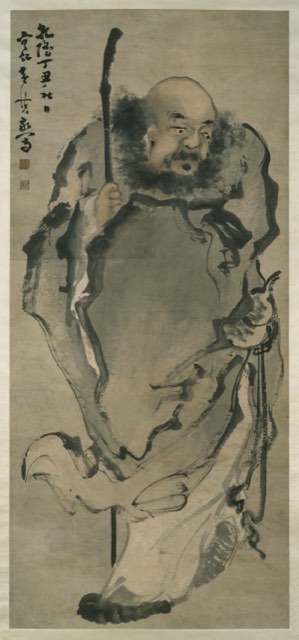
Li Tieguai (Iron-Crutch Li)
Traditionally counted first among the Eight Immortals, depicted as a lame, ragged beggar leaning on an iron crutch — his crippled, unglamorous body a deliberate statement that immortal attainment has nothing to do with worldly rank or appearance.
Zhang Guolao
One of the Eight Immortals, an elderly Taoist sage said to ride his white mule facing backward, and to fold the animal flat like paper each night — a figure associated with the bending and reversal of ordinary time and cause.
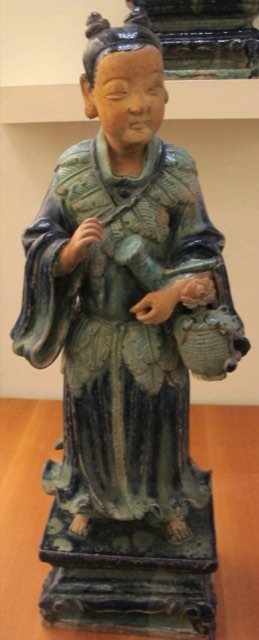
Lan Caihe
The most ambiguous of the Eight Immortals — gender uncertain across different tellings, dressed in a ragged blue robe with one shoe on and one shoe off, wandering the streets singing prophetic songs and begging for alms which are given away as fast as they are received.
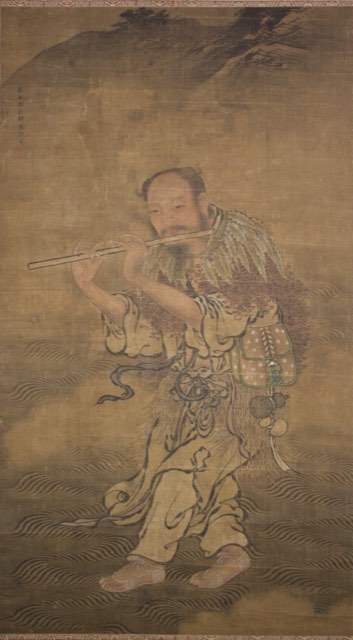
Han Xiangzi
One of the Eight Immortals, traditionally identified as the grand-nephew of the celebrated Tang statesman-poet Han Yu, depicted carrying a flute whose music is said to make flowers bloom out of season and animate the natural world.
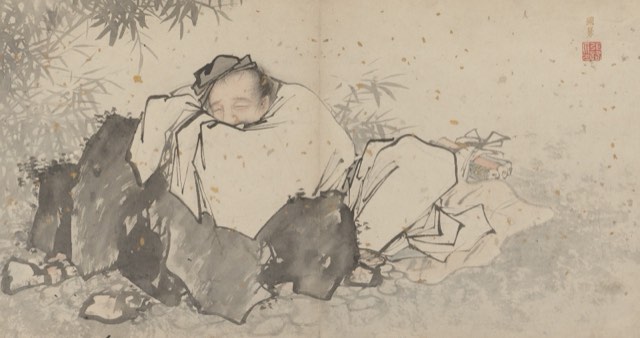
Cao Guojiu
The most recently added and highest-born of the Eight Immortals — an actual imperial in-law of the Song dynasty who renounced his court privilege in disgust at his younger brother's crimes, retreating to cultivate the Dao in the mountains.
05 / Founding figures · 3
The patriarchs who organised the tradition into schools.
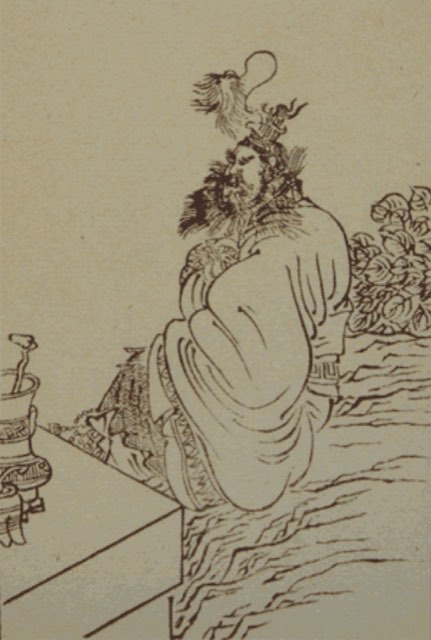
Zhang Daoling
Han-dynasty scholar who, after a revelation from the deified Laozi in 142 CE, founded the Way of the Celestial Masters — the first organised Taoist religious institution — and began the hereditary Zhang family lineage that continues to claim descent from him today.
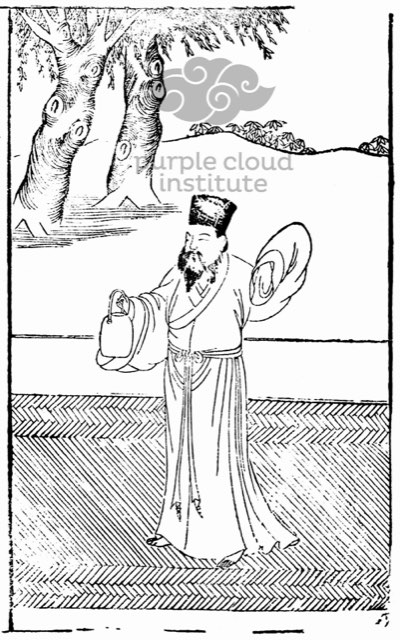
Wang Chongyang
A 12th-century scholar-soldier turned ascetic who, after a series of visionary encounters, founded the Quanzhen school in Shandong and transmitted it to the "Seven Perfected," whose most consequential disciple, Qiu Chuji, established the Longmen lineage that still dominates Taoist monasticism today.
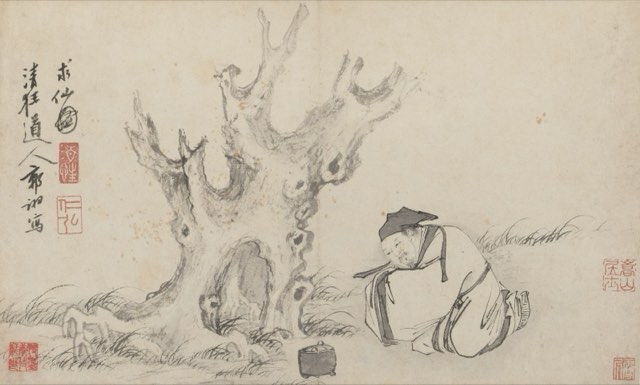
Qiu Chuji (Changchun)
The most consequential of Wang Chongyang's "Seven Perfected" disciples, whose 1219 overland journey to counsel Genghis Khan won Quanzhen Taoism state protection and led to the founding of the Longmen (Dragon Gate) lineage at what is now White Cloud Temple in Beijing.
06 / Philosophers · 1
The thinkers whose texts the whole tradition rests on.
Keep going
See the temples where these figures are enshrined, or the texts and concepts that describe them.