immortal Renunciation of privilege; the theater and performing arts
Cao Guojiu
The most recently added and highest-born of the Eight Immortals — an actual imperial in-law of the Song dynasty who renounced his court privilege in disgust at his younger brother's crimes, retreating to cultivate the Dao in the mountains.
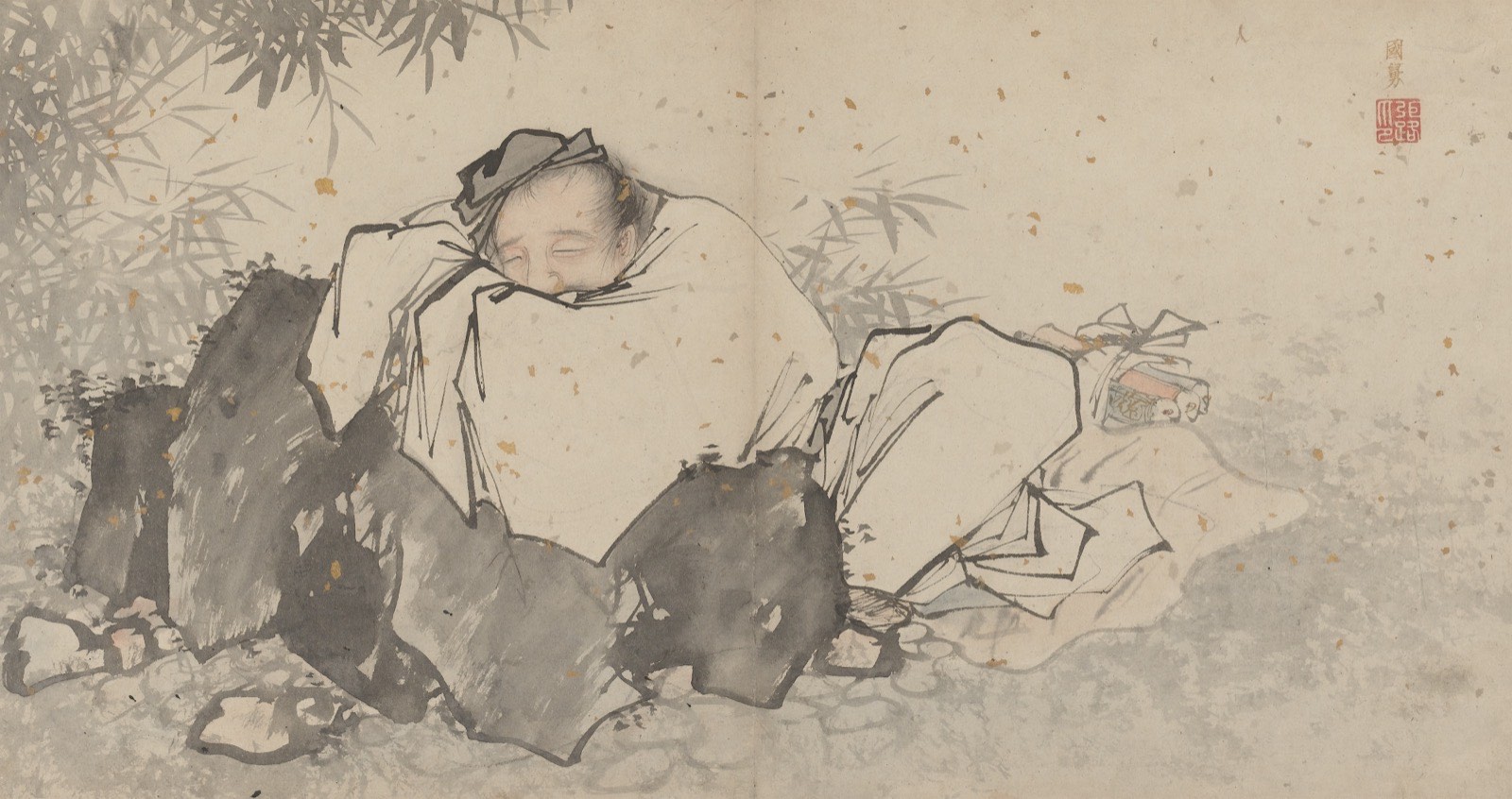
Cao Guojiu's title, literally "the state's maternal uncle," reflects his historical basis: traditional accounts identify him as a brother of a Song-dynasty empress, placing him at the very top of imperial court society by birth. Where every other immortal on the traditional list of eight achieves recognition through some form of departure from ordinary status — poverty, exile, disfigurement, ambiguous gender — Cao Guojiu's departure runs the opposite direction: he had every privilege available in Song China and walked away from it.
The traditional account holds that his younger brother, protected by the family's court connections, committed a serious crime (in most versions, murder) and evaded punishment through the family's influence. Cao Guojiu, disgusted at the corruption this represented and ashamed of the privilege that enabled it, distributed his wealth to the poor and retreated into the mountains to seek the Dao, eventually encountering Han Zhongli and Lü Dongbin, who tested his sincerity before accepting him into the company of immortals. He is generally depicted in official court dress or holding castanets or tablets associated with court ceremony and, by extension, theatrical performance — carrying into immortal iconography the one worldly identity (imperial rank) he otherwise renounced.
Iconography
A dignified figure in official court robes and hat, holding a jade or ivory tablet, sometimes with castanets
Epithet
The Immortal Imperial Uncle
Back to the pantheon
Return to Pantheon, or read the concepts behind these figures.