History & Movements
Yellow Turban Rebellion — First Mass Religious Movement
The 184 CE uprising led by Zhang Jue combining Taoist messianism with social revolution. First organized religious Taoism, establishing priesthood, hierarchy, and ritual structure.
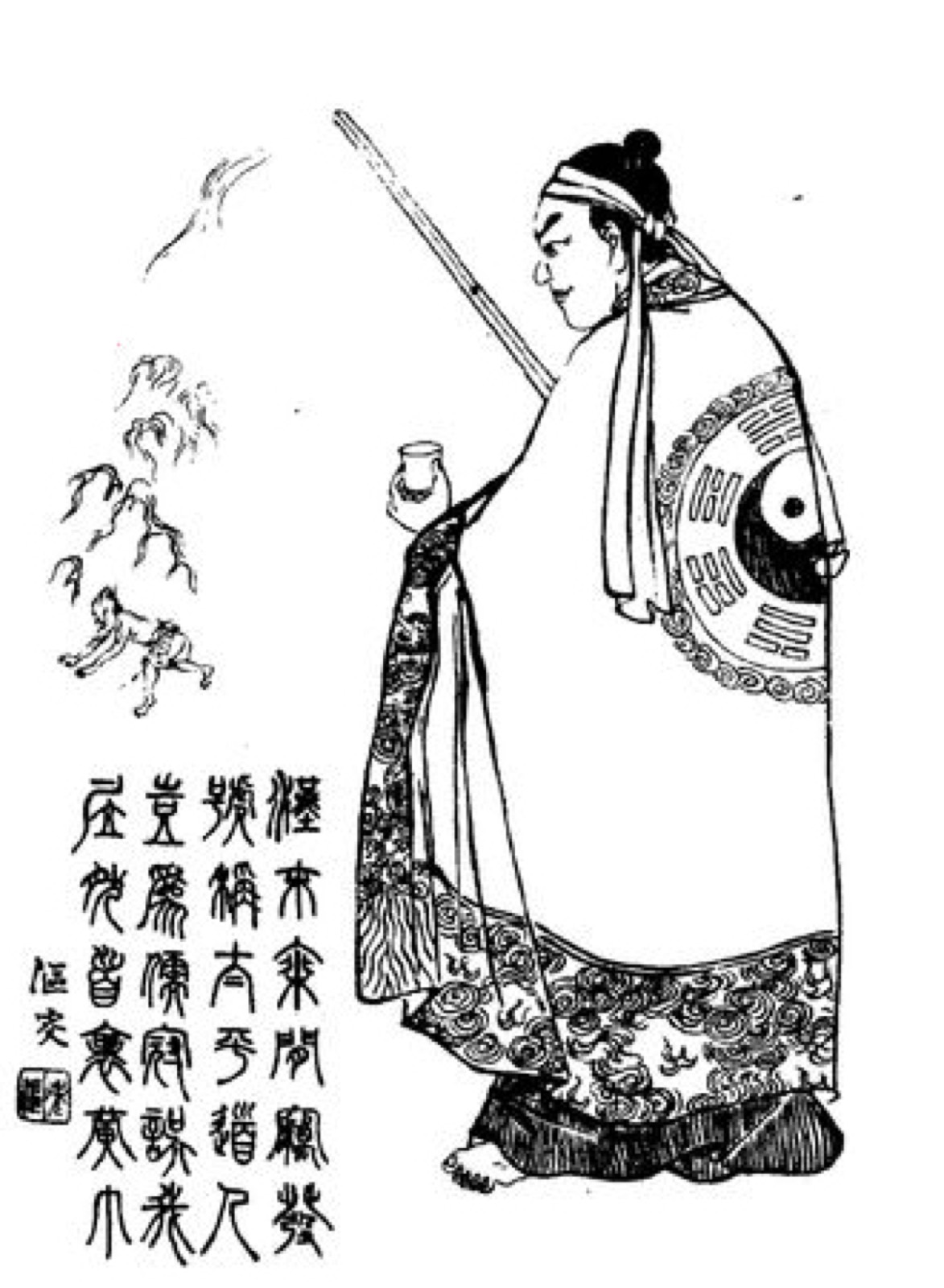
In 184 CE, tens of thousands of followers wearing yellow headscarves rose in coordinated rebellion across eastern China, marking the first time in Chinese history that a mass religious movement translated theological conviction directly into large-scale armed uprising against the state.
Conditions of Emergence
The late Eastern Han dynasty was marked by severe social distress: repeated famine and flooding, a corrupt and increasingly dysfunctional central court dominated by competing factions of eunuchs and consort clans, heavy taxation, and epidemic disease that swept through the population with little effective official response. Into this vacuum of both material relief and legitimate authority stepped Zhang Jue, a healer and religious teacher from Hebei province.
Zhang Jue and the Way of Great Peace
Zhang Jue organized a religious movement he called the Way of Great Peace (Taiping Dao), explicitly drawing on the Taiping Jing's vision of a coming cosmic age of restored harmony. He and his brothers offered healing through a combination of talismanic water, confession of sins, and simple herbal remedies — practical relief that, amid a genuine epidemic and an indifferent government, generated enormous popular following across multiple provinces within a few years.
Zhang Jue organized his followers into thirty-six regional units (fang), each under an appointed leader, creating an administrative and military structure capable of coordinated action — a level of organization unprecedented for a popular religious movement in China up to that point.
The Uprising and Its Slogan
The rebellion's slogan — "The Azure Heaven is already dead; the Yellow Heaven shall soon rise; in the year jiazi [184 CE, the start of a new sixty-year cycle], there will be great fortune under Heaven" — drew directly on five-phase cosmological theory: the Han dynasty was associated with the fire element (hence the "Azure/blue-green Heaven," though the color association is debated among scholars) and the coming age with earth's yellow, positioning the rebellion as cosmically sanctioned regime change rather than mere political revolt.
Military Campaign and Defeat
The rebellion, though initially startling in its scale and coordination, was gradually suppressed over the following months by a combination of imperial forces and regional warlords — several of whom, having raised private armies to fight the Yellow Turbans, subsequently used those forces to carve out the regional power bases that led directly to the Three Kingdoms period and the Han dynasty's eventual collapse.
Historical Significance Beyond Military Outcome
The rebellion's military defeat should not obscure its lasting historical significance. It demonstrated, for the first time at this scale, that popular religious Taoism — as distinct from the philosophical Taoism of the Daodejing and Zhuangzi studied by literati — could organize mass populations around healing practice, moral reform, and millenarian expectation. This template — a charismatic healer-teacher, an organized hierarchy, promised cosmic transformation, and popular relief in the face of governmental failure — recurred repeatedly in subsequent Chinese history, and the Yellow Turban episode is conventionally treated by historians as the founding moment of institutionally organized, popularly-rooted religious Taoism, running alongside (and initially quite distinct from) the more elite, literati-oriented Way of the Celestial Masters developing simultaneously in Sichuan.
Related
Where this connects.
Keep exploring
Return to the full directory, browse by history & movements, or see how this shapes our own programs.